

Righteous Joggers Fit Guide Styling Inspiration
The Rise and Growth of We Are Righteous: From Scrappy Beginning to Streetwear Staple
Each apparel label has an origin tale, but few labels manage to turn that story into a durable identity. We Are Righteous has devoted its first years doing precisely that — shaping a name that shoppers now actively look up rather than discovering by chance. Those two search phrases — “righteous clothing” and “we are righteous review” — usually point to the same underlying questions: is the quality actually there, and how does it compare against the crowded field of independent streetwear labels. This write-up walks through that journey, the decisions that gave it form, and what the brand looks like heading into 2026.
Getting a handle on this trajectory matters because streetwear is a fast-moving niche. Names in the space rise on a lone breakout hoodie and fade out within eighteen months. Some labels put in quiet effort for years on end, refining construction and fabric before anyone beyond a tight-knit following notices. We Are Righteous belongs to that second group, and that steadiness is part of why the label now comes up alongside longer-standing labels when people compare a righteous clothing brand to its competitors.
The Beginning: A Startup That Had Its Own Perspective
In common with most independent labels, We Are Righteous began with a small catalog and a particular aesthetic as opposed to a sprawling product range. The brand’s early lineups were built around bold, message-led graphics and a restrained color palette, which allowed production controlled while the brand explored what resonated with buyers. A common and sensible method for emerging apparel companies involves narrowing the offering, adapting quickly, and avoiding overextension on inventory until demand is confirmed.
During those initial seasons, the brand’s core identity revolved around the word “righteous” itself — an intentional decision that granted the label a character distinct from typical streetwear naming norms. Instead of leaning on abstract initials or borrowed slang, the founders shaped a language rooted in conviction, self-assurance, and resisting trend cycles. The brand’s messaging remained consistent drop after drop, which allowed early customers to recognize it before logo placement was ever standardized.
Startups in apparel typically fail for one of three reasons: inconsistent quality, poor cash flow from overproduction, or a lack of clear identity. We Are Righteous avoided the third problem early by committing to a voice https://righteousoutlet.org/shorts-sweatpants/ and sticking with it season after season. That consistency gave the brand room to fix production issues without confusing its audience about what it stood for.
When the Hoodie Emerged As the Anchor Within the Product Line’s Development
Every streetwear label eventually needs a hero product, and so for We Are Righteous, that product ended up being the hooded pullover. The brand’s hoodie is at this point one of the most in-demand, repeatedly-replenished items in the lineup, and for good reason: hoodies showcase artwork effectively, perform in multiple seasons, and hand a brand a surface large enough to make a visual statement without leaning on accessories.
The brand’s apparel strategy expanded gradually outward from this core item. T-shirts arrived first as a budget-friendly entry point for new customers, then came heavier fleece pieces, before outerwear followed as the catalog matured. Such a progression is fairly typical among streetwear brands, though timing is critical — expanding too quickly into categories like footwear or accessories before the main clothing line has earned trust can weaken a emerging brand’s character. The brand’s clothing has remained rooted in its origins: hoodies, tees, and fleece stay at the core of the line even as new shades and silhouettes are introduced with every drop.
Consistency of fit is yet another aspect where the label has had to mature. Fledgling streetwear labels commonly run into trouble with sizing that varies drop to drop because multiple production partners are involved or tweaking patterns often. Becoming a “staple” brand rather than a fleeting trend has meant the label had to shrink that variability so returning customers have a reasonable sense of what’s coming from drop to drop.
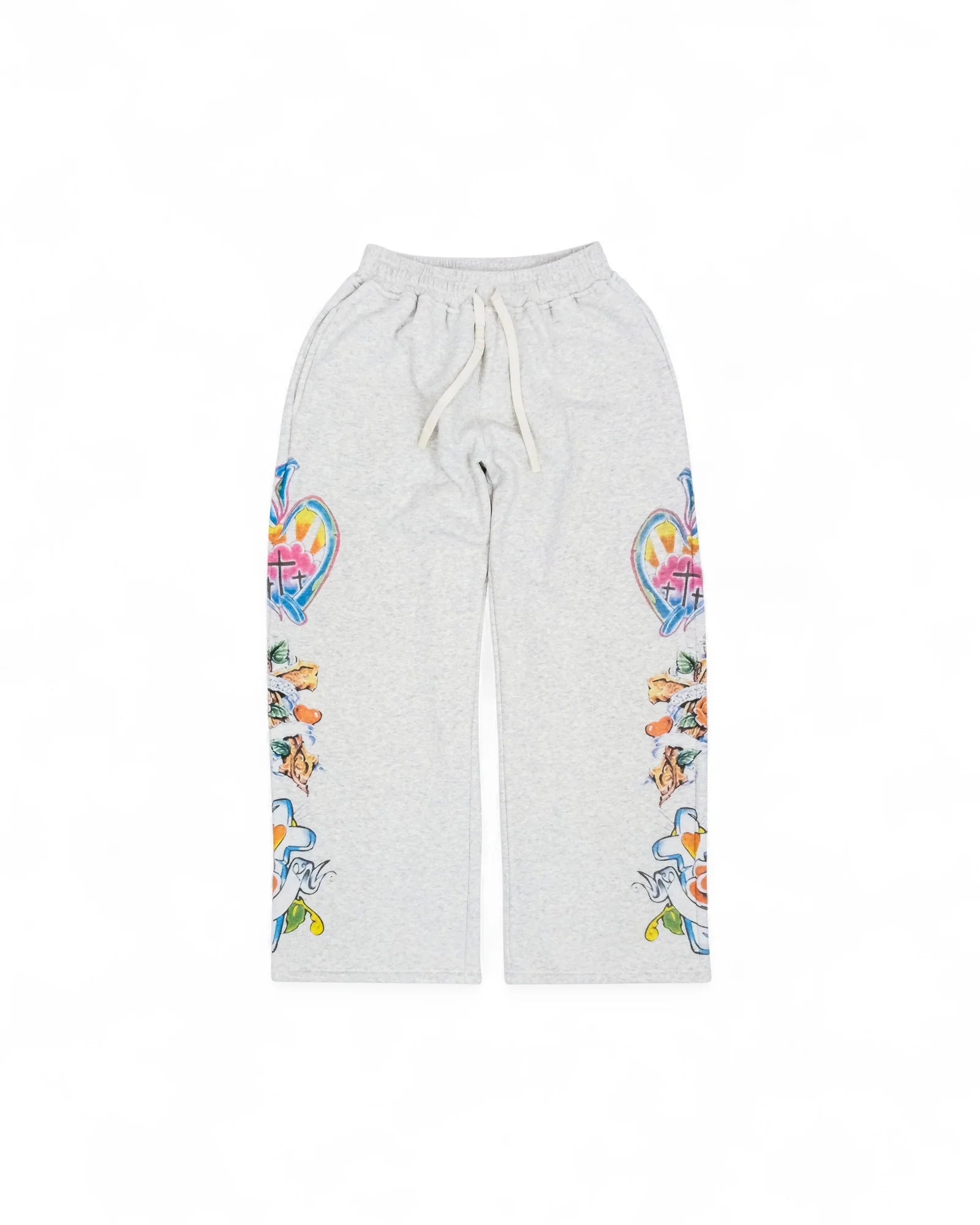
What the Reviews Truly Tell Us
Search volume tied to “righteous review” and “we are righteous review” has risen in step with the label’s public recognition, which is common once a brand shifts from obscure to well-known. Feedback on independent streetwear labels tend to cluster around three themes: the heaviness of the fabric, how well prints hold up, and whether sizing runs true. Buyers looking into We Are Righteous in particular want to know whether the garments earn their asking price compared to both fast-fashion basics and upscale streetwear brands.
Across this category, the feedback pattern is fairly consistent — heavier fleece weights get praised, thin or overly stretchy cotton gets criticized, and the durability of screen prints is measured by cracking or fading through repeated washing. Labels that make it past their early years and cultivate a devoted returning audience are generally the ones that resolve these exact problems promptly rather than letting them slide. This kind of attentiveness is what separates a label worth reviewing from one that disappears after a single hype cycle.
Something else worth mentioning is that review sentiment evolves as a brand develops. Early reviews tend to focus on novelty and design — does the graphic look good, does the release come across as exciting. As a brand sticks around longer, subsequent feedback shift toward durability and consistency — does the hoodie still look good after a year of wear, does the sizing match what was advertised the first time around. Put differently, the blend of both review types points to We Are Righteous having progressed past the “new brand” phase toward something more mature.
Where It Ranks Alongside Other Street-Style Names
Positioning matters in streetwear, where dozens of brands compete for the same customer attention with similar silhouettes. The table below breaks down general category positioning — not exact pricing, since that varies by drop and retailer, but the structural differences that typically separate an independent label like We Are Righteous from mass-market and ultra-premium alternatives.
| Comparison Point | Fast-Fashion Basics | We Are Righteous | High-End Streetwear Labels |
|---|---|---|---|
| Production model | High-volume, constantly restocked supply | Limited, release-driven | Scarce, usually shaped by joint releases |
| Brand identity focus | Stripped-down, chasing current trends | Purpose-led, unwavering brand voice | Led by creative vision, artistic concept |
| Flagship item | Basic tees | Fleece pieces and hoodies | Rotates seasonally |
| Audience connection | Minimal | Growing, direct-to-consumer focused | Elevated, though access is restricted |
| How reachable it is | Widely available | Fairly accessible | Low |
Buyers comparing choices before committing to a purchase depend on this kind of positioning insight, which is specifically why this positioning carries weight. A label that occupies the middle ground — more considered than throwaway fashion, more attainable than upscale designer streetwear — needs to earn trust through consistency instead of scarcity alone. We Are Righteous has established that space for itself, and sustaining it in the long run is more demanding because it demands both quality craftsmanship and disciplined communication simultaneously.
The Label’s Standing as It Moves Into 2026
By 2026, the streetwear market has become more oversaturated than it was half a decade prior, with social platforms lowering the barrier more than ever for a fresh label to debut and tougher than it’s ever been for one to get noticed past its debut year. Brands that have lasted this long, We Are Righteous included, now compete less on novelty and more on trust — returning buyers who know the fit, know the fabric weight, and are familiar with the brand’s message well enough to purchase without requiring persuasion every time.
In the seasons ahead, what “growth” looks like for the brand is shifting by this shift. Instead of chasing every trend cycle, the more durable path is sharpening what already delivers: solidifying the hoodie line, improving size consistency, and building out apparel that works cohesively with the current lineup rather than rolling out unrelated one-off items. Brands that spread themselves too thin at this stage often lose the coherence that built their following in the first place.
Relative to its early days, community engagement now plays a bigger role. Streetwear customers in 2026 demand more direct interaction — behind-the-scenes context on drops, honest communication about restocks, and a sense that the brand’s message isn’t just marketing copy but something the company actually operates by. For a brand built around the idea that “righteous” is more than just a name, this match between words and actions is the true gauge of staying power.
What originated as a humble, mission-driven startup has, over several years, earned the kind of standing that lets it be discussed as a true streetwear staple rather than a fleeting name. The hoodie remains the foundation, the identity remains consistent, and the reviews — both initial hype-driven ones and later longevity-focused ones — present a unified story of a brand that has grown deliberately rather than by chance. Achieving that is harder than landing a single viral drop, and it’s the reason We Are Righteous keeps coming up in conversations about which independent labels are genuinely built to last.
Everyday Tory Burch Style Tory Burch USA
Nonstop-Unterhaltung im Hugo’s Casino in Austria
